Travel responsibly
Tonga Island Marine Reserve
In the spirit of manaakitanga (hospitality) and kaitiakitanga (guardianship), we welcome visitors to enjoy our environment and three national parks but ask that you leave nothing but footprints and take nothing but memories.
Many of the unique plant and animal species in New Zealand are endangered. Traveling around our beautiful country, you can help to protect our natural world with these simple actions.
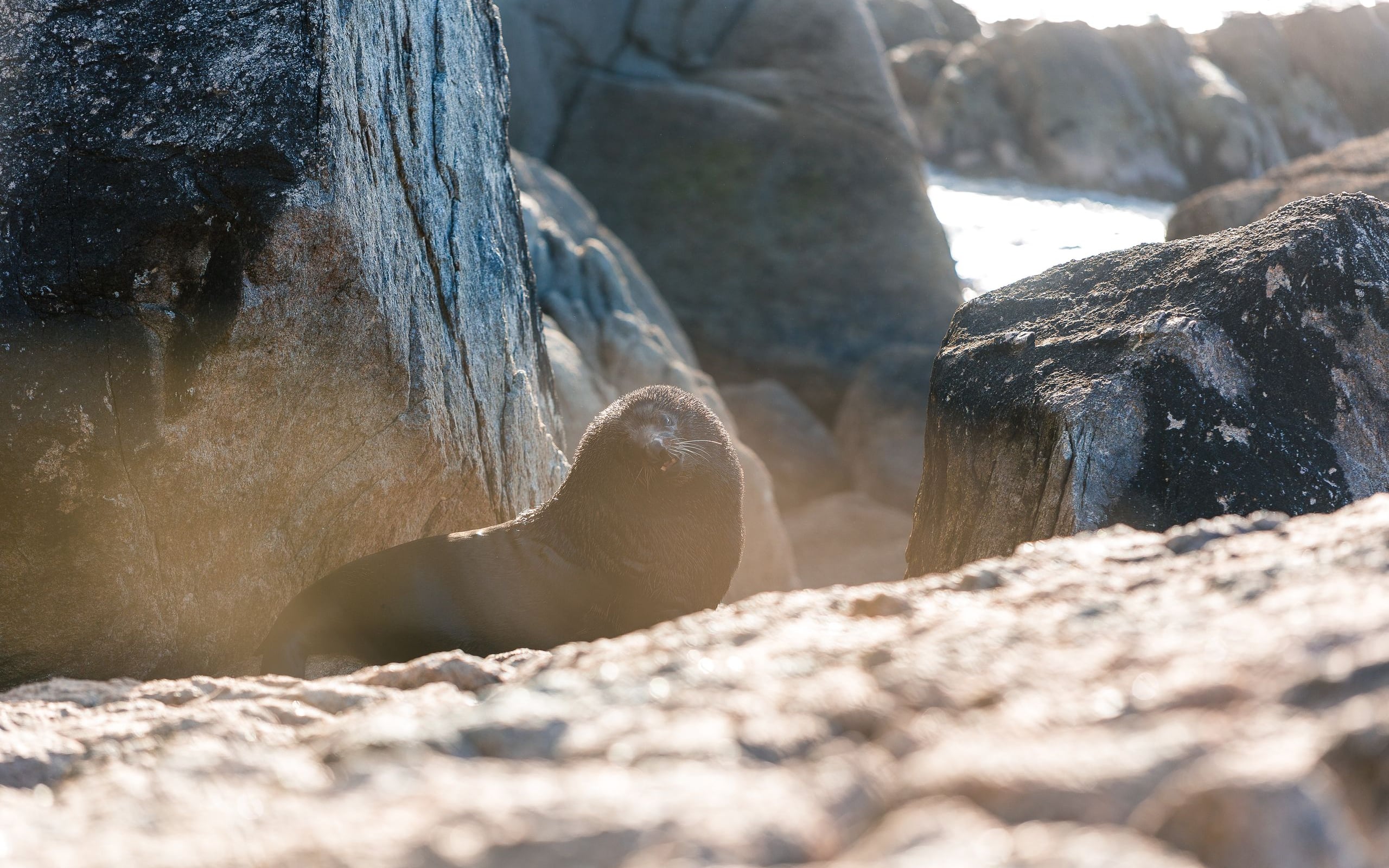
When you see seals and sea lions, keep a distance of at least 20 metres—around the length of two buses. If you get too close, seals and sea lions can panic and start a stampede, which is dangerous for you and them. They can also become aggressive if you come between them and their babies or the sea.
New Zealand's native birds aren’t adapted to human food, so resist the temptation to feed them. It can make them sick, and in some cases, even kill them. For example, if kākā eat nuts and seeds, they may develop metabolic bone disease.
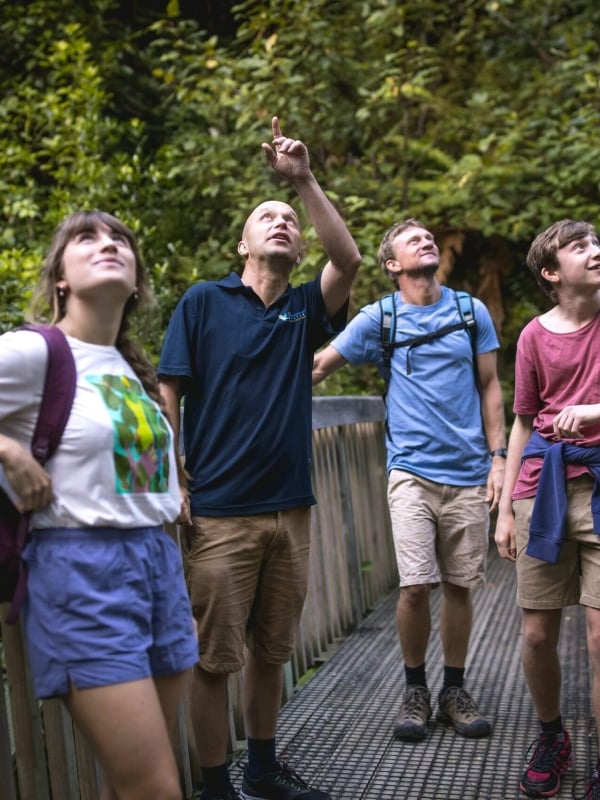
Kauri dieback disease is a massive threat to New Zealand's stunning native kauri trees. Help to prevent the spread of this disease by cleaning your footwear with the disinfectant and scrubbing brushes provided at the start of many Department of Conservation walking tracks.
You should also stick to the trails – they are there for a reason. Veering off the track can spread the disease faster.
Many businesses around New Zealand allow you to encounter our wildlife close up.
As well as getting to have unforgettable wildlife experiences, by choosing sustainable tourism operators you are helping to support conservation efforts.